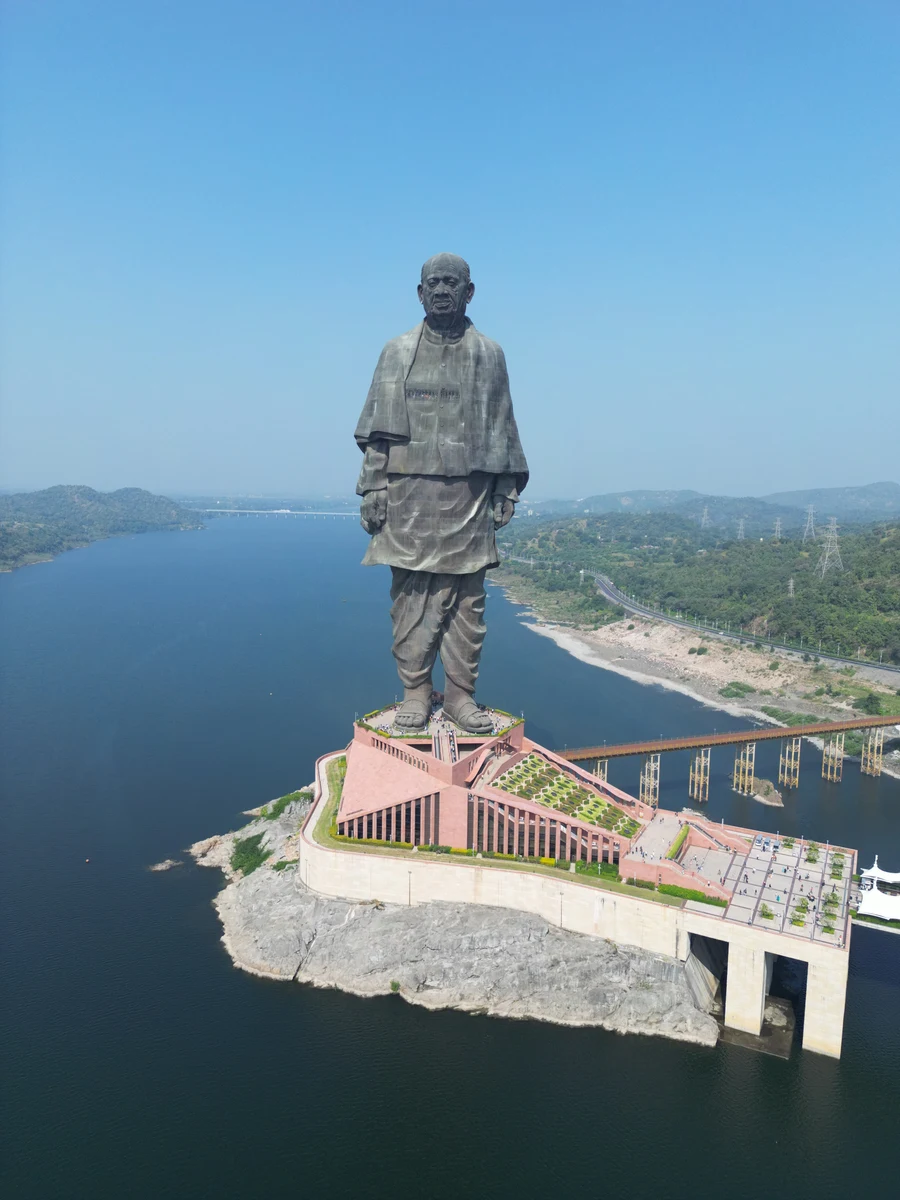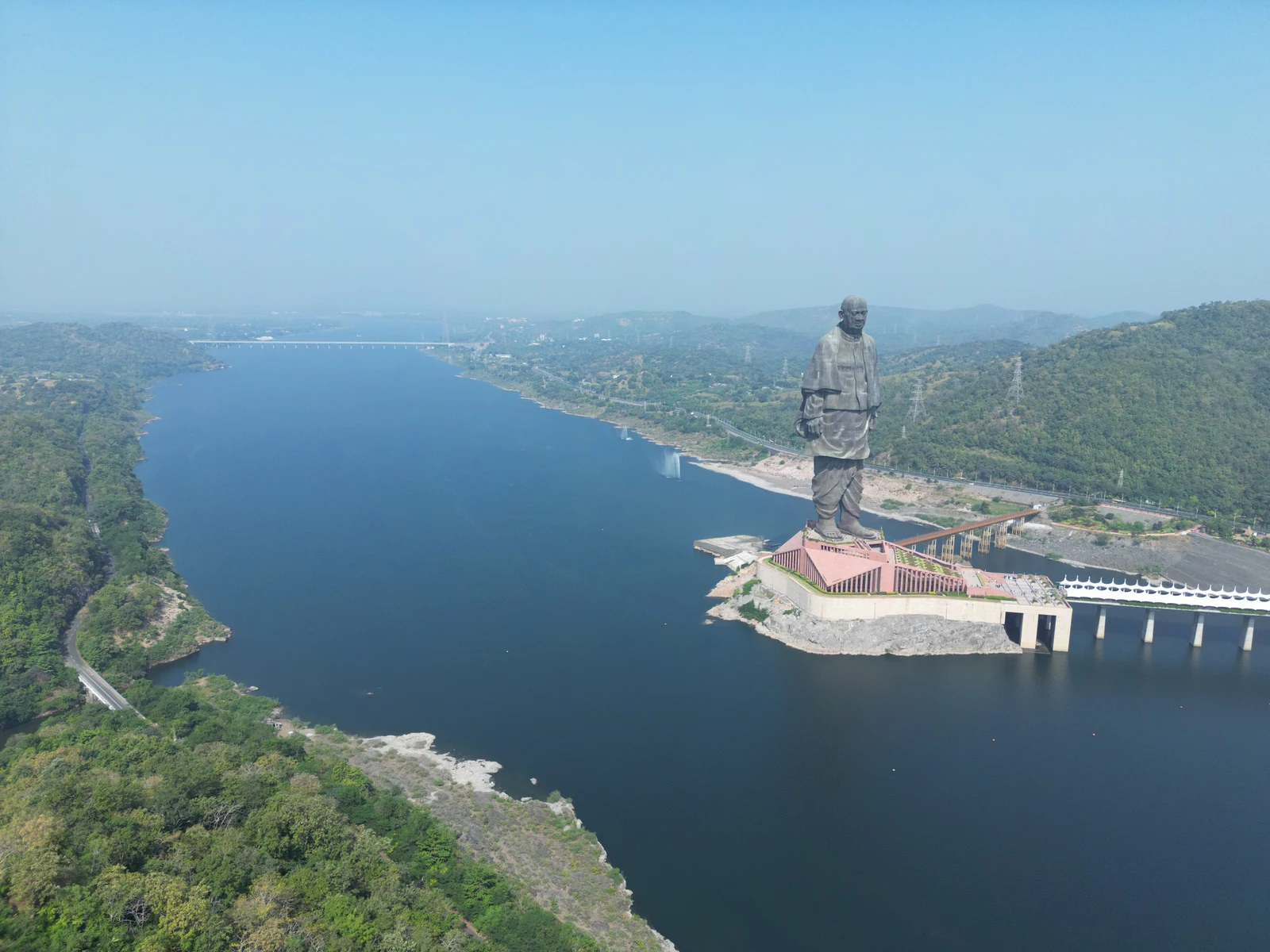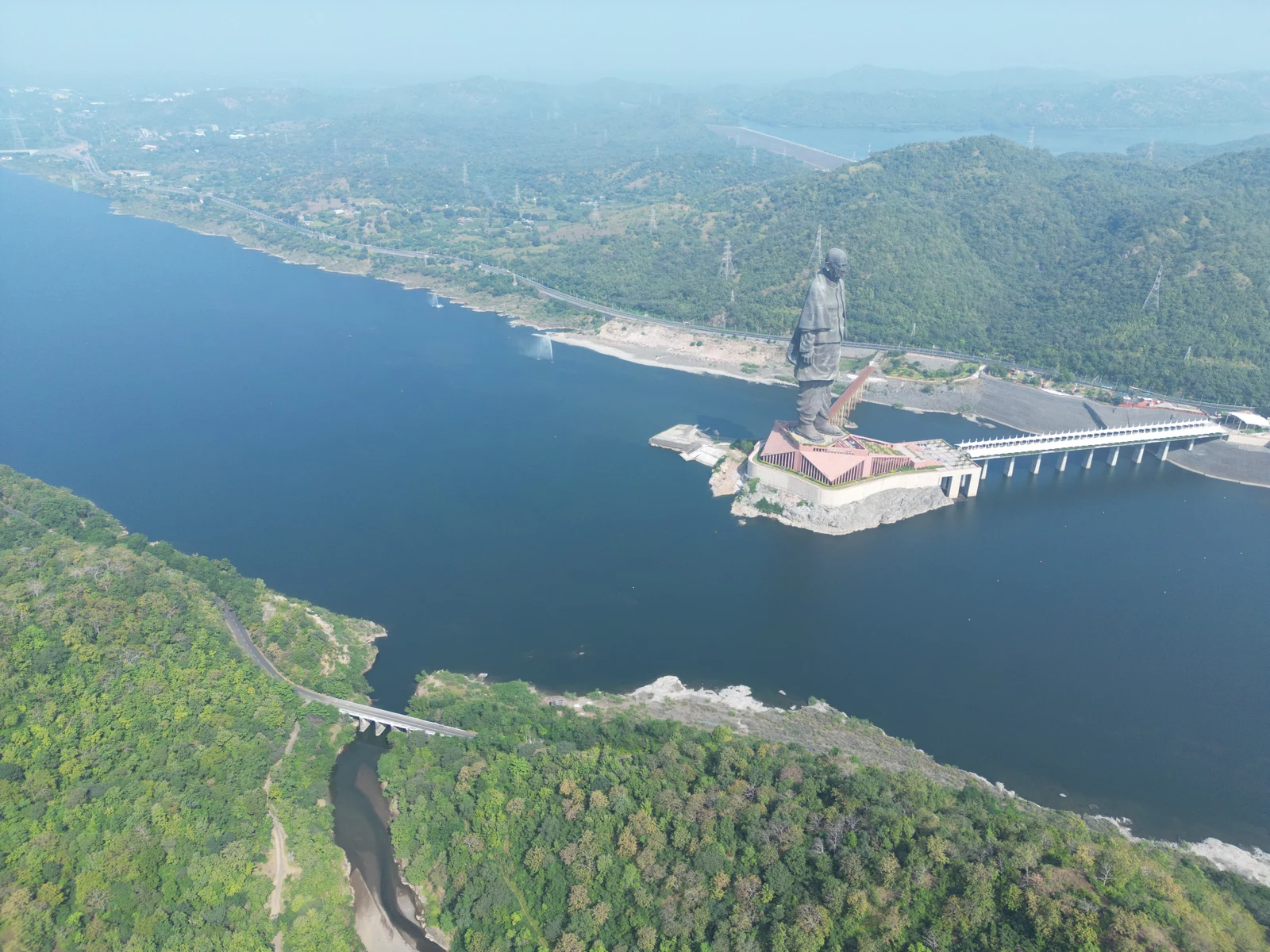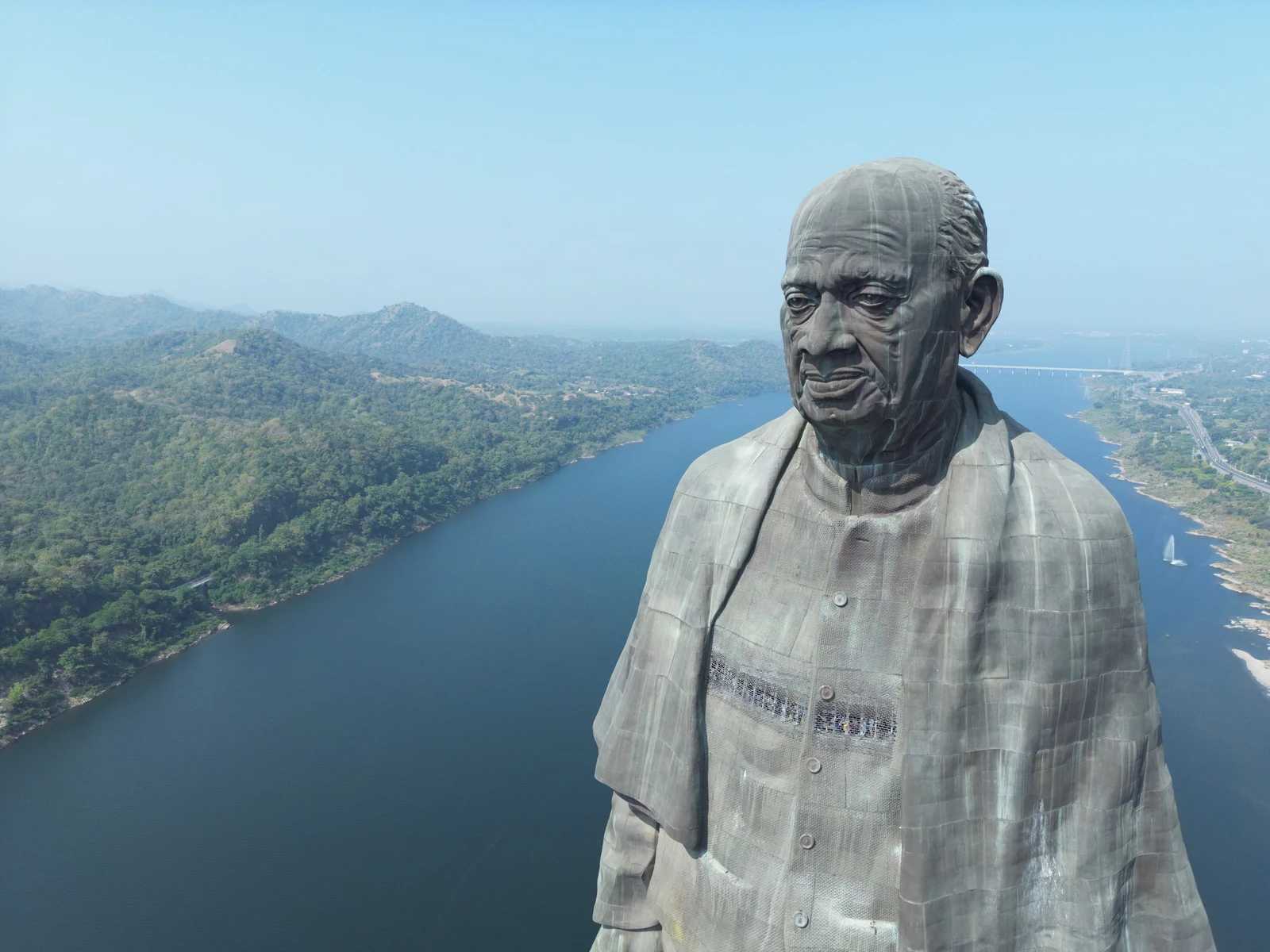
The Statue of Unity gets all the attention, but it exists where it does because of the dam behind it. The Sardar Sarovar is one of India's largest dams, and on the Narmada, and understanding it adds real context to everything else you see in Kevadia.
Why the Statue Stands Here
The Statue of Unity honours Sardar Vallabhbhai Patel, and its location beside the Sardar Sarovar Dam is deliberate — the dam is itself a monument to post-independence Indian engineering and water infrastructure, on the river that the statue overlooks.
Viewing the Dam
Public viewing access to the dam varies with water level, season and security conditions at any given time. Rather than build your itinerary around it, treat it as something to ask your property's front desk about on arrival — they will know the current access situation.
When the dam is at its best
In a strong monsoon year, the dam's overflow gates release a genuinely spectacular volume of water — the single most dramatic sight in Kevadia when it happens, and something photographs cannot fully capture. This generally happens between July and September, and is unpredictable year to year.
The Trade-Off of Visiting in Monsoon
If dam overflow is the reason you're visiting, you are trading it against monsoon uncertainty elsewhere in your trip — the aarti, light show and outdoor activities are all weather-dependent, and river rafting is often suspended. See our best time to visit guide for the full seasonal breakdown before deciding.
Where to Stay for Dam Views
A handful of properties sit close enough to the dam site that it factors into the setting rather than just the itinerary. Statue of Unity Tent City 1 is built beside the Sardar Sarovar Dam site itself, at 5.4 km from the monument — the closest tent property we book to both landmarks.
For the practical side of your visit — routes, distances and how to get here — see our how to reach Kevadia guide.