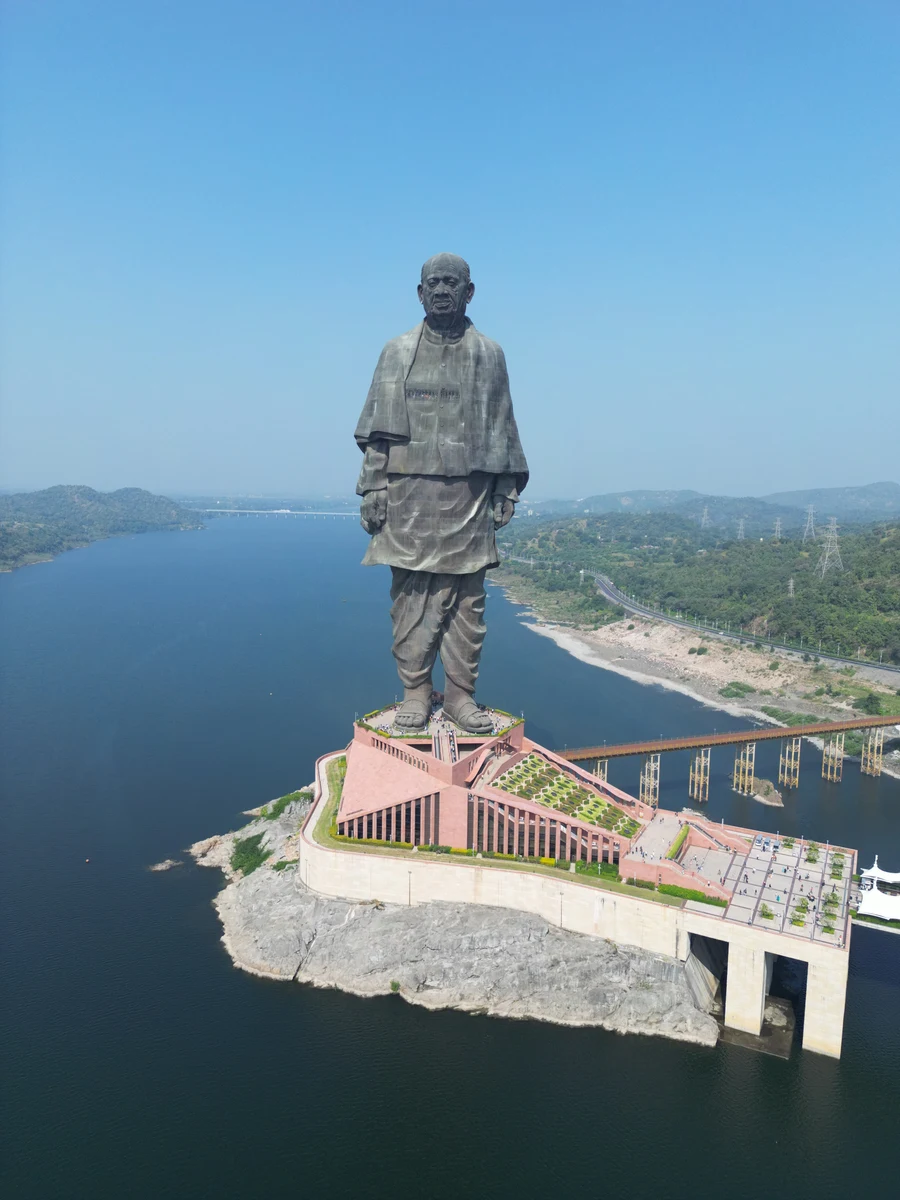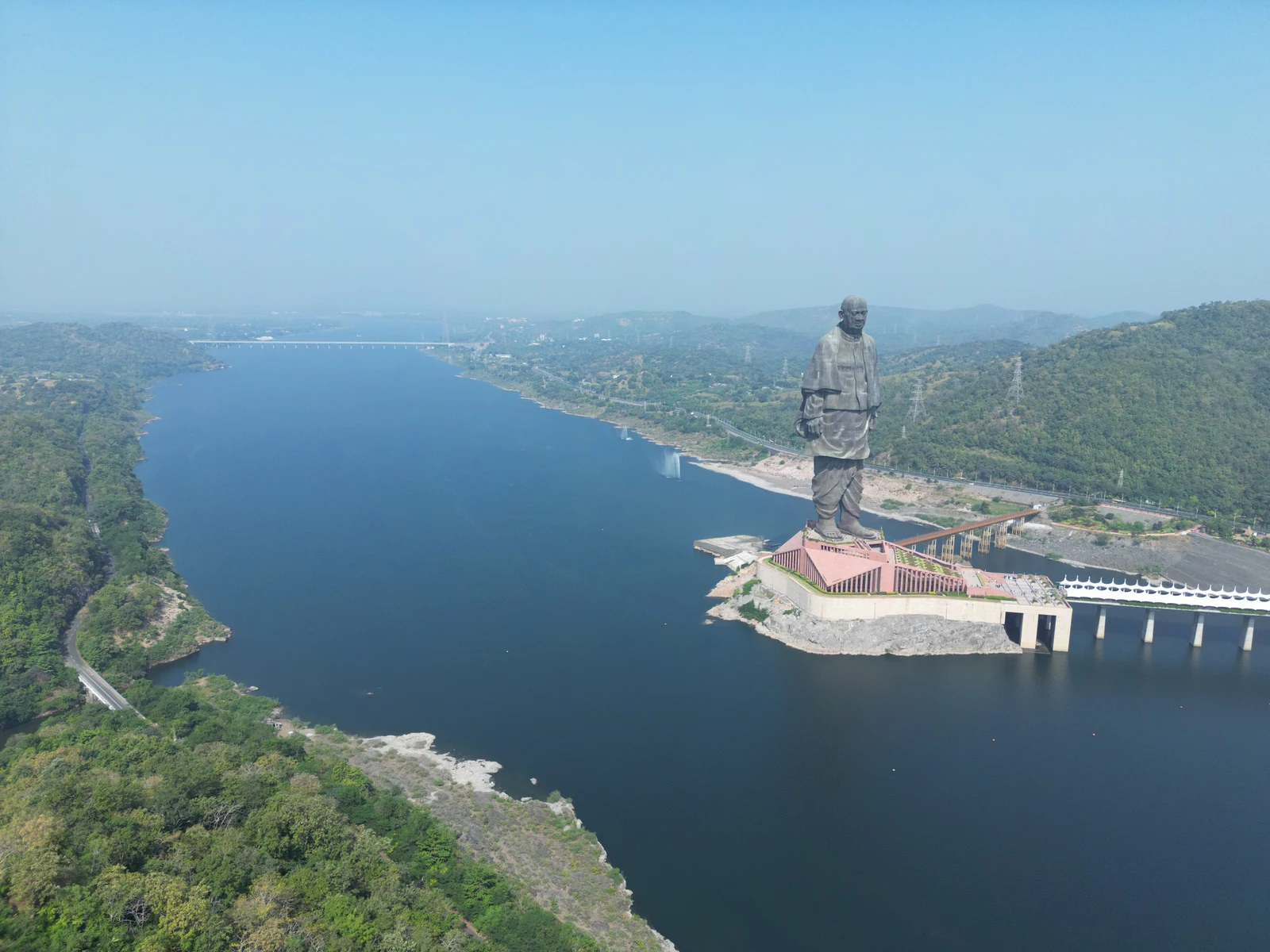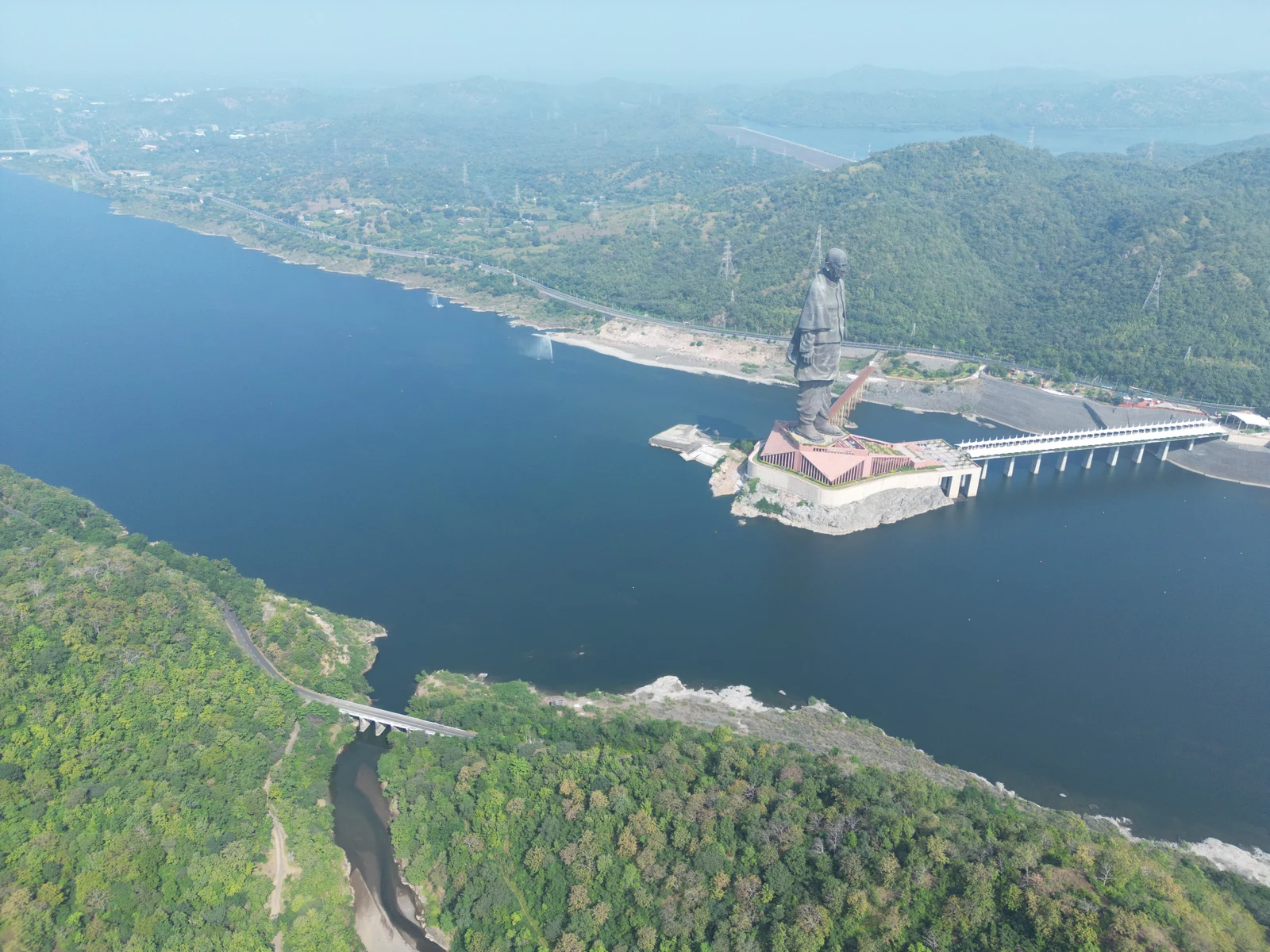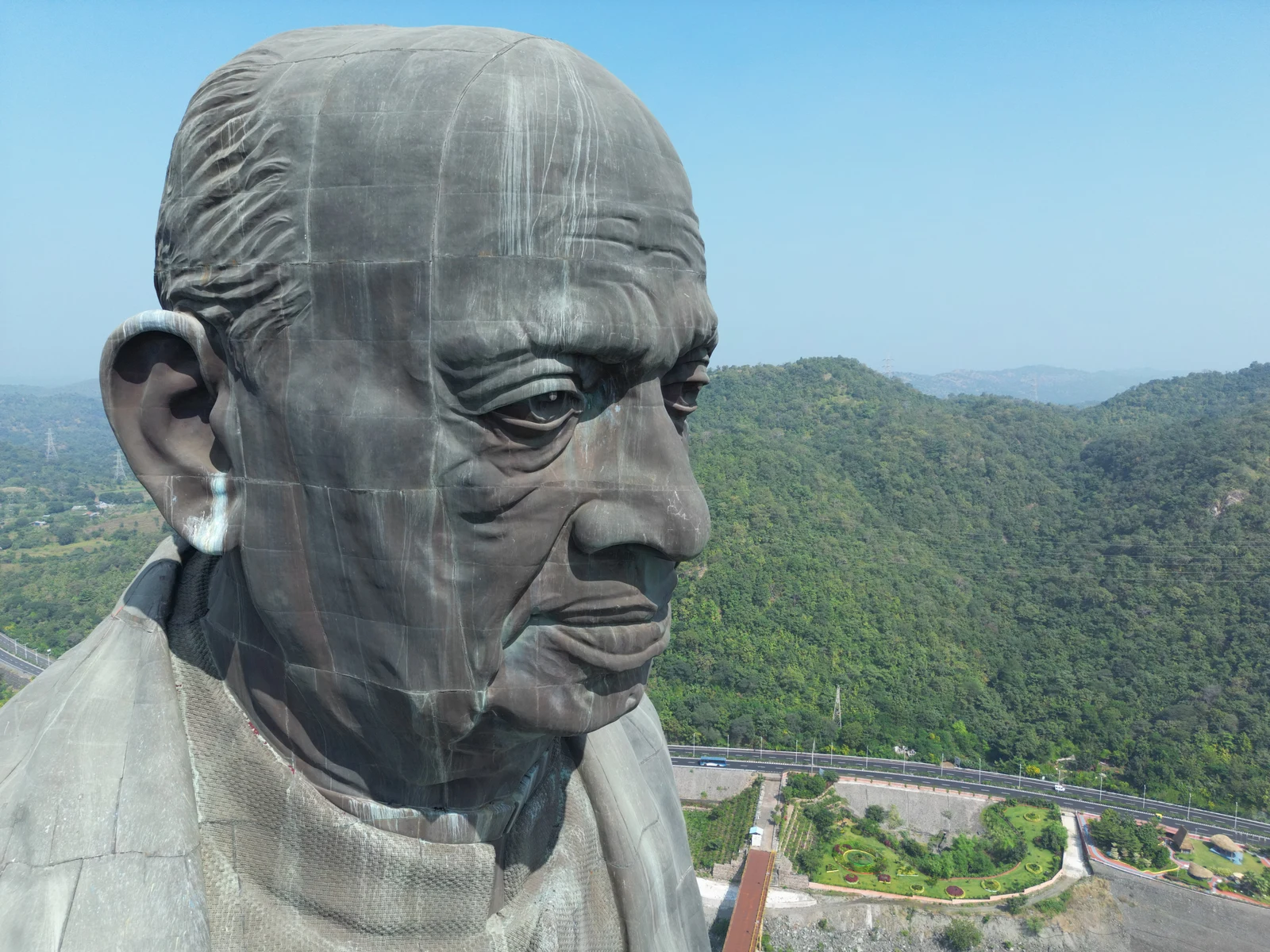
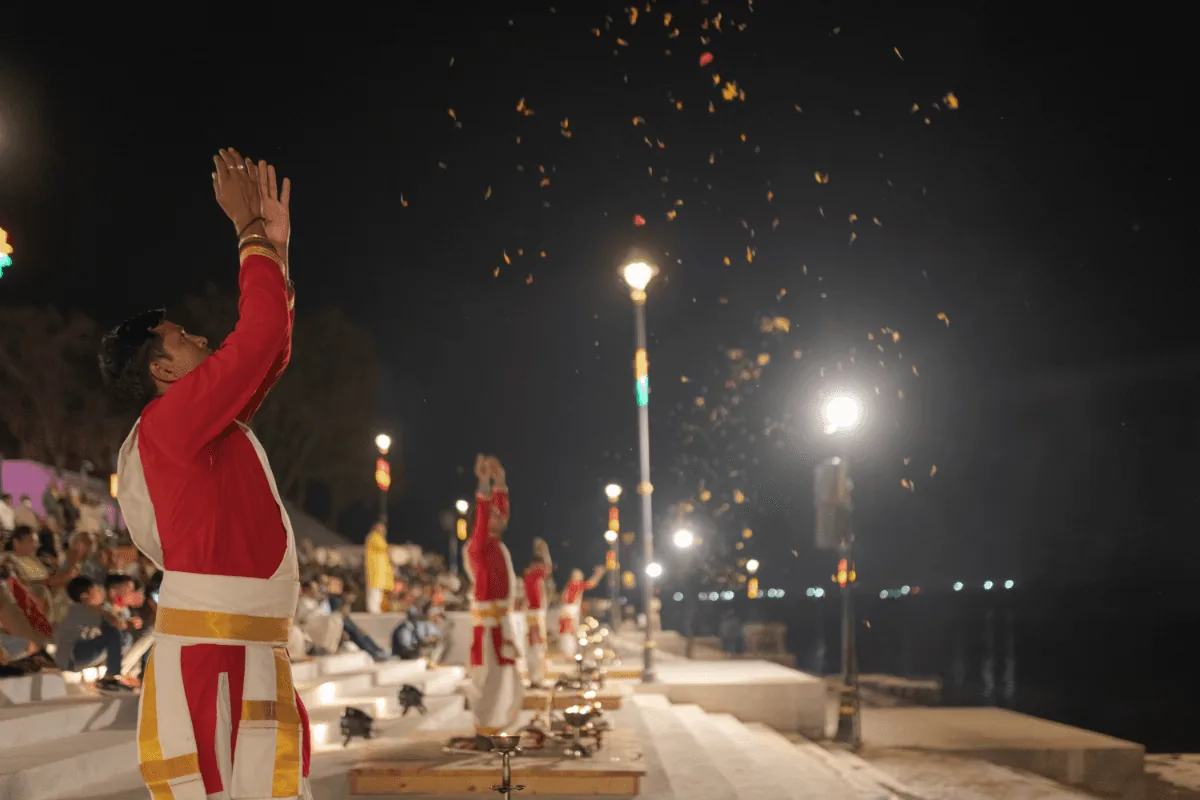
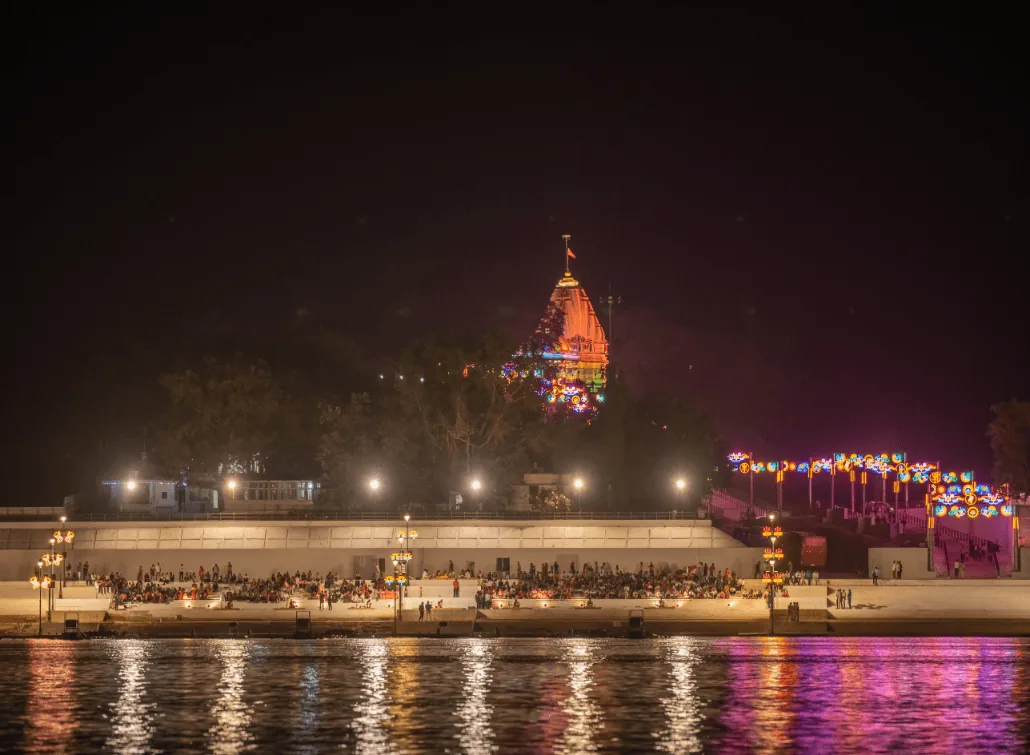
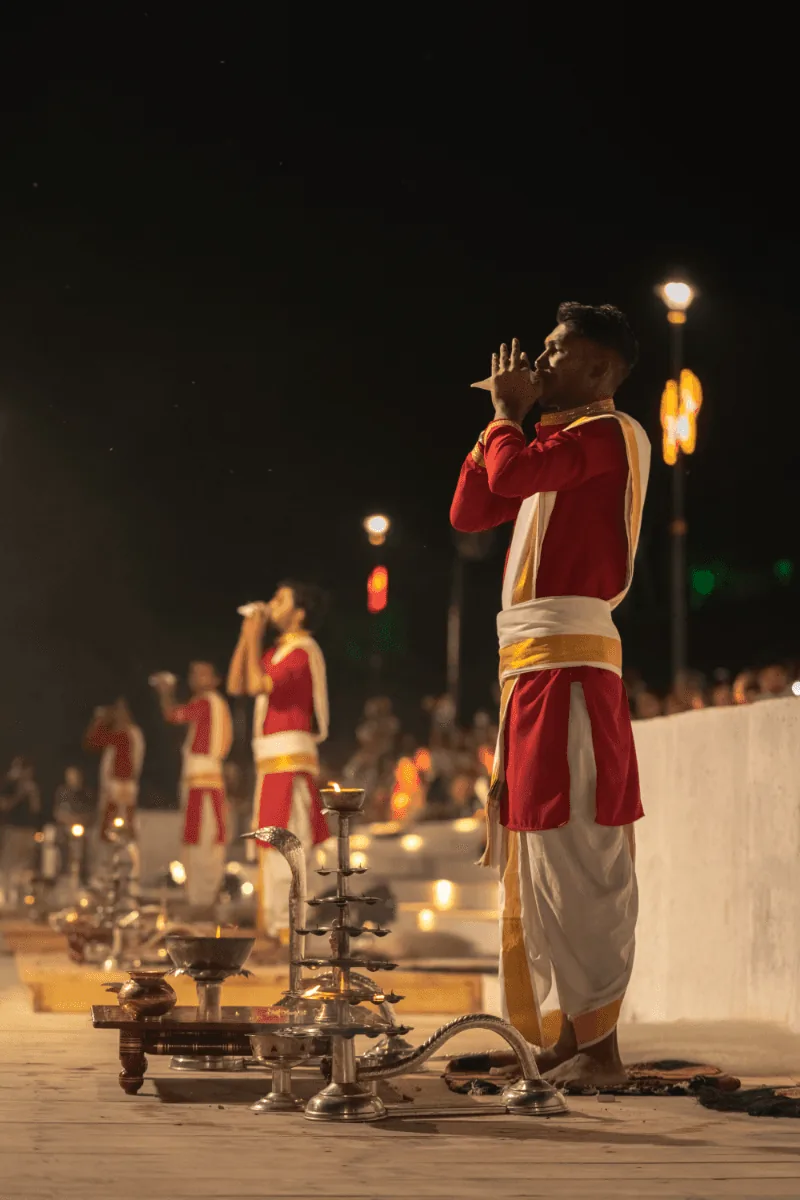
Ask anyone who has stayed overnight in Kevadia what they remember, and it is usually not the statue. It is standing on the Narmada riverfront at dusk with a few hundred oil lamps going up at once.
Here is what actually happens, and how to get the most out of it.
What the Aarti Is
An aarti is a Hindu ritual of offering light — lamps circled before the deity, accompanied by chanting, bells and drums. On the Narmada, the river itself is the deity: the aarti honours Maa Narmada, one of India's most sacred rivers.
You do not need to be religious, or Hindu, to be moved by it. It is a genuinely beautiful piece of theatre performed with real conviction, and visitors of every background are welcome.
When It Happens
The aarti takes place in the evening, timed to sunset — so it shifts through the year, earlier in winter and later in summer. Because it moves, confirm the exact time on the day rather than planning around a fixed hour. Any property front desk in Kevadia will know, and we confirm it with guests when we book.
Arrive early — this is the main tip
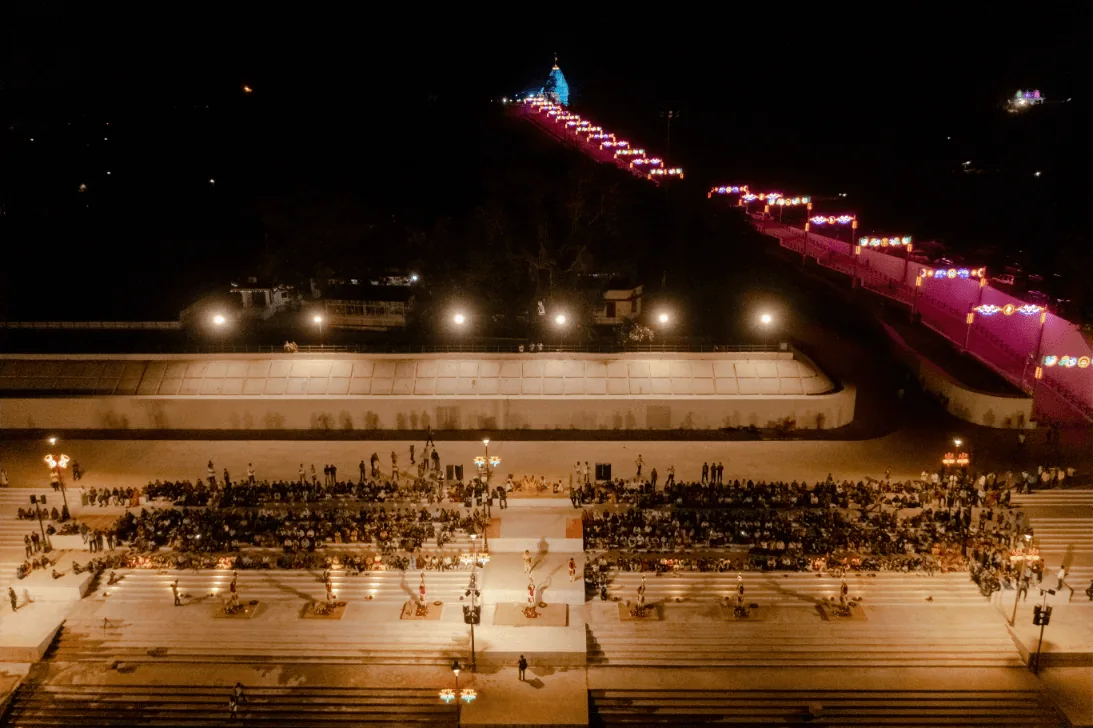
Get there 30 to 45 minutes before it starts. Not for the ceremony itself, but for the seat. The good positions go quickly, and the twilight before the aarti — light dropping, lamps being prepared, the riverfront filling up — is a large part of the experience.
Booking It
We book the Narmada Maha Aarti experience at ₹1,270 per person. That covers the arranged experience rather than just turning up, and on busy evenings — weekends, festival dates — that difference matters.
If you are visiting around Diwali or a major festival, book well ahead. The riverfront gets extremely full. That arranged price is a curated evening booking rather than a single ticket — if you specifically want the official Yajman ceremony role or the boat-based darshan described below, those are booked separately, and we can arrange either one for you.
Ways to Experience the Aarti
Not everyone wants the same thing from an evening at the riverfront, and there genuinely are three different ways to take it in — at three different price points. They are not competing options; they are different experiences.
General Riverbank Viewing
Free
Anyone can watch the aarti from the public riverfront area — there is no ticket and nothing to book. Turn up early (see our arrival tip above) and find a spot among the crowd.
Best if you are happy standing or sitting with everyone else and don't need a reserved role in the ceremony.
Yajman Booking
₹1,100 per person
A booking to become the Yajman — the chief patron — of that evening's aarti. A Sankalp (ritual vow) is performed specifically for you, with a reserved seat behind the officiating Pujari and a prasad packet afterward.
- Open Tuesday–Sunday, roughly 7:00–7:45 PM (timings shift with the season)
- Last entry is around 7 PM
- Non-transferable, and once the aarti has begun a new Sankalp cannot be entered — so this needs to be booked and arrived for ahead of time
- Each family member who wants to be Yajman needs their own separate booking
Narmada Maha Aarti Darshan by Boat
₹295 per person · reference
Watch the aarti from the river itself. The sunset and fire-lamp reflections on the water give a different, and usually less crowded, viewing angle and photo opportunity than watching from the bank.
- When operating: boarding 6:45 PM, departs 7 PM, roughly 50–60 minutes
- Departs from the SBB Jetty
This is currently marked temporary closed by the official ticketing authority, reportedly due to low water levels affecting the boat route. Status changes, so check with us before planning your evening around it.
Check Availability via WhatsAppWhere to Stand or Sit
Closer to the water is better for atmosphere; slightly elevated and back is better for photographs and for actually seeing over the crowd. If you are with children, the elevated option is easier — they will see more and you will spend less of the ceremony lifting them.
What to Wear
Modest dress is appropriate — shoulders and knees covered is a good default at any Indian religious site. You may be asked to remove footwear in certain areas, so shoes you can slip off easily are practical.
Evenings by the river are cooler than the day, particularly November through February. Take a layer; people routinely forget and regret it.
Photography and Etiquette
Photography is generally fine, but this is an act of worship for many people present, not a performance staged for visitors. Keep flash off, don't block others' view for a shot, and stay quiet through the ceremony itself.
The honest advice: film the first minute, then put the phone away. It photographs poorly in low light and it is far better watched than recorded.
Pairing It with the Rest of Your Evening
The aarti and the projection light show on the statue both happen after dark, and they combine into an excellent evening. Do the aarti first, then head to the statue for the show.
This is precisely why we push people to stay overnight rather than day-trip — both of these are evening events, and a Vadodara day-tripper misses both. Even the cheapest overnight, like Hotel Sai Inn at ₹3,800 per room, buys you the entire evening programme.
If you want to be close to the riverfront afterwards, Tent City 1 at 5.4 km and Ramada Encore at 5.7 km are the shortest runs back.
Is It Worth ₹1,270?
For most visitors, yes — it is the experience people describe when they get home, ahead of the statue itself. If you are on a tight budget and have to choose between this and the Ekta Cruise at ₹470, we would still pick the aarti.
Want it arranged as part of your stay? Browse all Kevadia experiences or message us with your dates.